Why I Chose Sourdough?
The benefit's of sourdough.
Sep 4, 2026
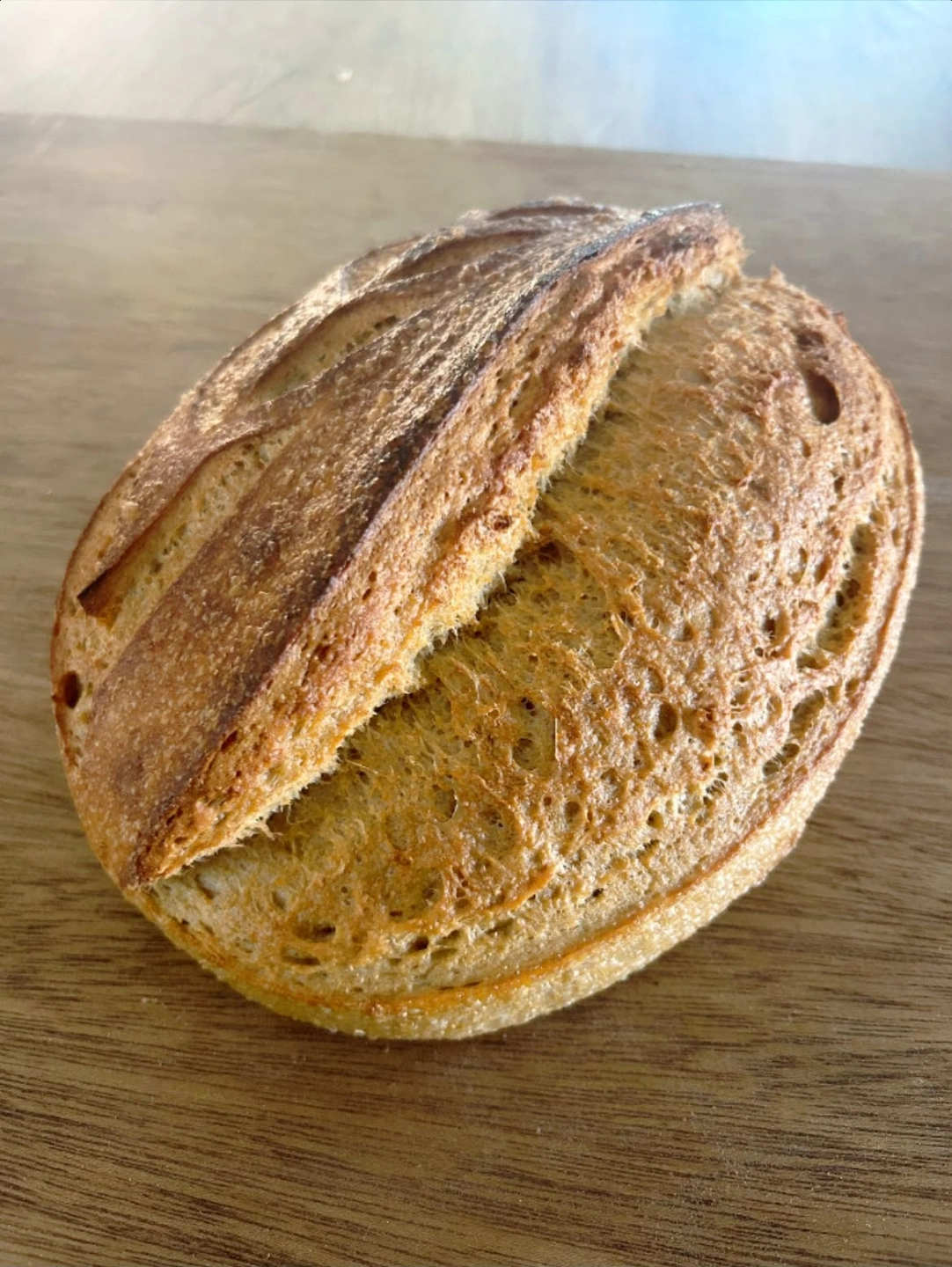
My journey with sourdough began with my own health and grew into something meaningful for my whole family.
Living with endometriosis and PCOS has made me much more aware of how food can affect the way I feel. Bloating, changes in energy and the challenges that can come with hormone-related conditions encouraged me to look more closely at the ingredients we eat every day. I also have ADHD, so I understand how difficult planning, preparing and enjoying nutritious food can sometimes be.
As a mum to autistic children with ADHD, I wanted to find simple, enjoyable ways to offer them a wider variety of nourishing foods. Like many children, they have their own preferences around flavour and texture. Rather than making food feel like a battle, I wanted to create things that felt familiar, fun and delicious while using quality ingredients.
That is what drew me to sourdough.
Traditional sourdough is made with a living starter of flour and water and is given time to ferment slowly. I love that it turns simple ingredients into something comforting that my family genuinely enjoys. Depending on the flour and ingredients used, sourdough can also provide fibre, B vitamins and minerals such as iron, magnesium and zinc. I can add nourishing ingredients to different bakes too, creating tasty options that help bring more variety to our table.
A Gentler Choice for Bloating
One of the biggest reasons I chose sourdough was gut health. During traditional long fermentation, the yeasts and bacteria can reduce some fructans—a type of fermentable carbohydrate that may contribute to gas and bloating in sensitive people. This means some properly fermented sourdough breads may feel gentler to digest than standard bread for some people.
That does not mean every sourdough is low-FODMAP or that it will suit everyone. The flour, fermentation time and individual person all matter. Wheat sourdough still contains gluten and is not safe for someone with coeliac disease unless it is specifically made and certified gluten-free.
Minerals Made More Available
Grains naturally contain phytate, which can bind to minerals and make them harder for the body to absorb. Sourdough fermentation can reduce phytate, helping make minerals such as iron, zinc and magnesium more available. The exact nutrition still depends on the flour and recipe, and no single food can provide everything a growing child—or an adult—needs. For me, sourdough is simply one enjoyable way to build more variety and nourishment into balanced meals.
What About Hormone Support?
PCOS often involves insulin resistance, so the overall quality of carbohydrates can matter. Research suggests that higher-fibre and lower-glycaemic eating patterns may support blood-sugar and insulin management in people with PCOS. Wholegrain sourdough can be part of that kind of eating pattern, especially when paired with protein, healthy fats and colourful fruits or vegetables.
Endometriosis is also complex, and there is not enough evidence to say that sourdough—or any single food—can balance hormones, reduce inflammation or treat the condition. Nutritious eating patterns rich in fibre and a variety of whole foods may support general health, but sourdough should be seen as food, not medicine.
For me, choosing sourdough is about being thoughtful rather than perfect. It is about listening to my body, supporting my family and finding delicious ways to offer nourishing food without taking away the joy of eating.
Every loaf is made with patience, care and purpose. What began as my search for a gut-friendlier option has grown into a genuine love of the craft—and a way to share wholesome, comforting food with the people who matter most to me.
And that is why I chose sourdough.
Further Reading
This blog shares my personal experience and general information. It is not medical or nutritional advice. Anyone managing PCOS, endometriosis, coeliac disease, food allergies or digestive symptoms should seek individual advice from a qualified health professional.