Why Sourdough Takes Time?
Why does sourdough take so long and why do I need at least 48 hours notice to prepare your order?
Sep 4, 2026
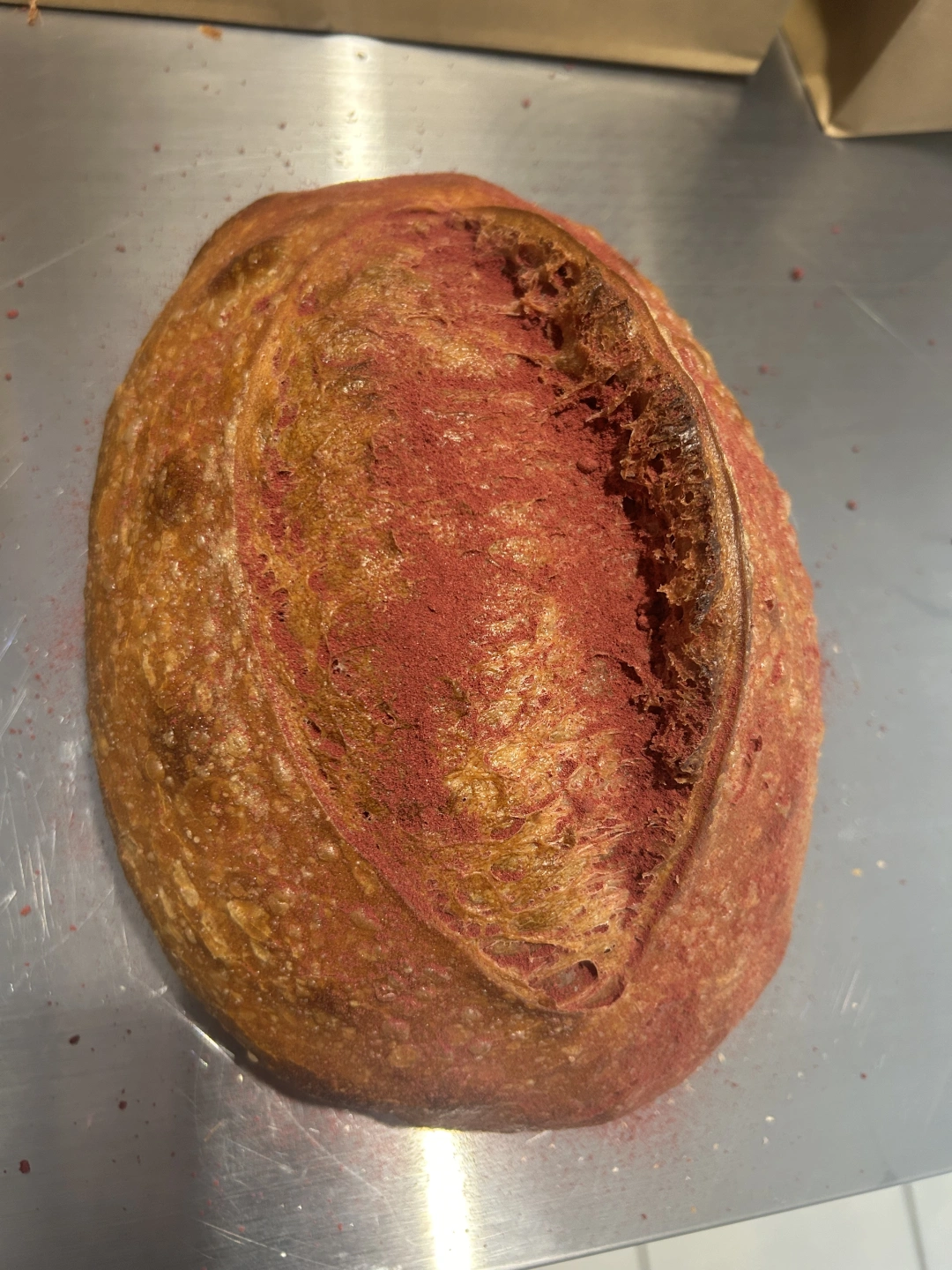
One of the biggest differences between sourdough and ordinary bread is that you simply cannot rush it.
There is no “I’ll just whip up a loaf this afternoon” around here. Sourdough works on its own timeline, and while I can guide it, shape it and keep a very close eye on it, the dough still gets the final say.
That is also why I ask for at least 48 hours’ notice for special orders.
A bake day does not actually begin on bake day. It starts well before that.
The day before dough day, I am already preparing for the orders ahead. I go through the order list, work out exactly how many of each product I need to make and calculate the ingredients required for every batch. Flour, salt, seeds, cheese, fruit, native ingredients, packaging — it all has to be accounted for before I even touch the mixer.
There is usually shopping to do, ingredients to order and stock to check. Bags and labels need to be prepared, packaging counted and the bakery space reset and ready to go.
Some flavours need even more preparation.
Seeds may need to be toasted and soaked so they are ready to go into the dough. Dried fruit is soaked ahead of time. Ingredients need to be weighed out. Native botanicals and spices are portioned carefully because a little often goes a very long way. Cheese, jalapeños, herbs and other inclusions need to be prepared so everything is ready when the dough reaches the right stage.
Then there is the starter.
A sourdough starter is a living culture of wild yeast and bacteria. It needs to be fed and given enough time to become active and strong enough for the amount of dough I need to make. When I am preparing a larger bake, that can mean building several kilos of active starter before dough day even begins.
Then comes dough day.
Each batch is mixed, rested and strengthened through a series of folds. The dough then goes through bulk fermentation, where the starter slowly ferments the flour and develops the structure and flavour of the bread.
And this is where sourdough likes to keep me humble.
Temperature matters. Humidity matters. The strength of the starter matters. Even the type of flour and the ingredients added to the loaf can change how quickly the dough ferments. A warm Queensland afternoon can move dough along very differently to a cool winter morning, so I am not simply following a timer and walking away. I am watching the dough itself.
Once it is ready, each loaf is divided, shaped and placed into its basket before going into the fridge for its long cold proof.
That cold fermentation is an important part of the process. It gives the dough time to continue developing flavour while slowing fermentation enough for me to bake it fresh the following day.
Then finally comes bake day.
The ovens are preheated, each loaf is scored by hand and the breads are baked in batches. Once they come out of the oven, they still need time to cool properly before they can be packed. Cookies, bagels, English muffins and pizza bases all have their own preparation and baking processes happening around the bread as well.
So when you collect a loaf from The Native Crumb, the work behind it did not start that morning.
It began days earlier.
The planning, shopping, weighing, soaking, feeding, mixing, folding, fermenting, shaping, cold proofing, baking and packing are all part of what goes into making sourdough the way I do.
That is why I ask for 48 hours’ notice for special orders. It gives me enough time to properly plan your order into my existing bake schedule, prepare the ingredients, build enough starter and give the dough the fermentation time it needs.
If my schedule allows, I am always happy to try and accommodate special orders. But sourdough is one thing I will not rush just to squeeze another loaf in.
Because good sourdough takes time.
And around here, I think it is worth waiting for.